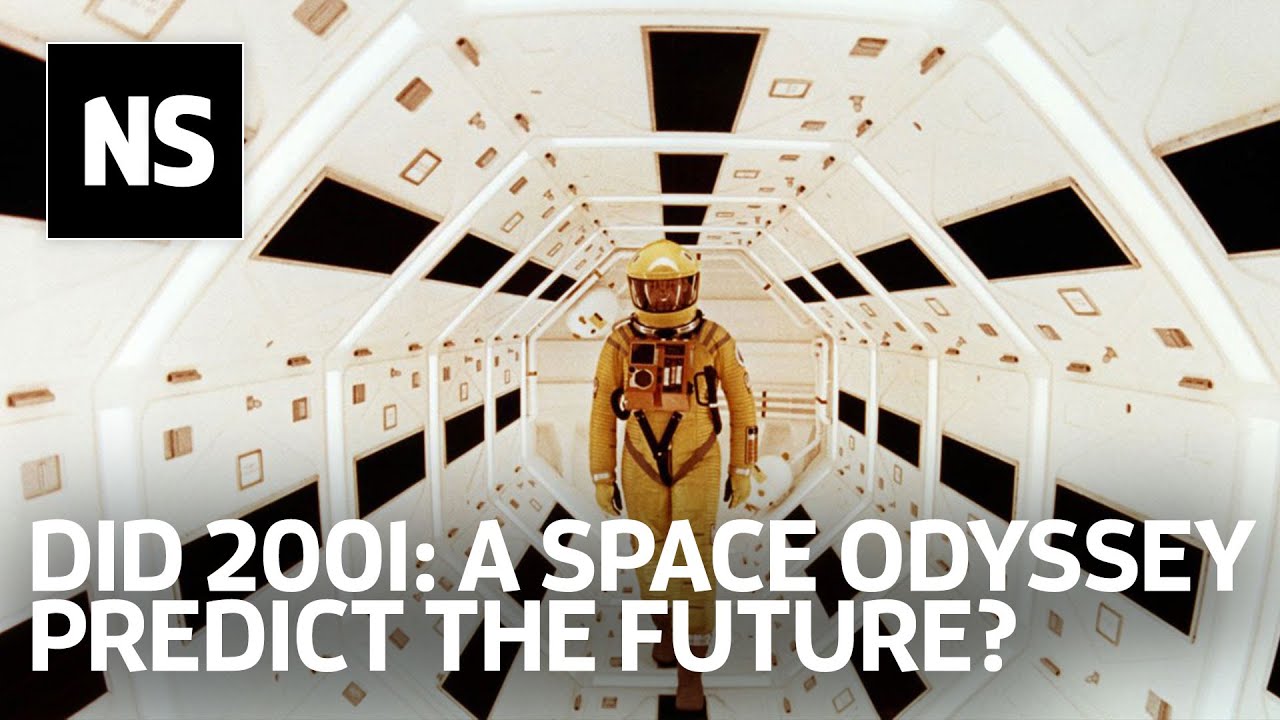
Stanley Kubrick’s 2001: A Space Odyssey, released in 1968, got a surprising number of things right about the future, especially when it comes to space travel. According to astronomer Ed Bloomer, the film realistically portrayed how objects move in space, the engineering challenges involved and even how people might interact in such environments.
However, it wasn’t entirely accurate. The film’s artificial intelligence, HAL 9000, is said to have been “born” in 1992. However, at that time, AI technology was far from that level of sophistication. Even today, we haven’t reached the technological heights imagined in the film. We are also still far from launching crewed missions to Jupiter, as depicted in the movie.
So while 2001 was visionary in many respects, some of its predictions remain science fiction, at least for now.
–
Learn more ➤ https://www.newscientist.com/video/2488024-which-sci-fi-movies-predicted-the-future-accurately/
Subscribe ➤ https://bit.ly/NSYTSUBS
Get more from New Scientist:
Official website: https://bit.ly/NSYTHP
Facebook: https://bit.ly/NSYTFB
Twitter: https://bit.ly/NSYTTW
Instagram: https://bit.ly/NSYTINSTA
LinkedIn: https://bit.ly/NSYTLIN
About New Scientist:
New Scientist was founded in 1956 for “all those interested in scientific discovery and its social consequences”. Today our website, videos, newsletters, app, podcast and print magazine cover the world’s most important, exciting and entertaining science news as well as asking the big-picture questions about life, the universe, and what it means to be human.
New Scientist
https://www.newscientist.com/