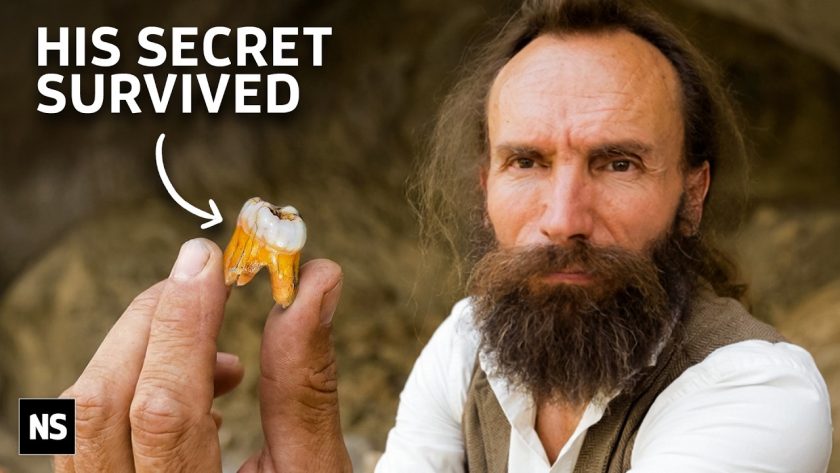
In 2010, DNA analysis of a finger bone around 40,000 years old revealed that it came from a previously unknown group of ancient humans, dubbed the Denisovans after the cave in Siberia where the bone was found. But with no skulls, we had no idea what they looked like. More recently, Denisovan DNA has been found in a skull found in China, suggesting these people had an unusual combination of features, with faces similar to ours, but with thick brow ridges. And It has ignited a debate about what to call this species, with Homo longi being the preferred choice for some. As older skulls are being analysed, the mystery of the Denisovans is starting to unravel.
In this interview, Palaeoanthropologist Chris Stringer at the Natural History Museum, London, explores what we know about Denisovans and what is yet to be uncovered.
—
Learn more ➤ https://youtu.be/mLrAJo6-SH4
Subscribe ➤ https://bit.ly/NSYTSUBS
Get more from New Scientist:
Official website: https://bit.ly/NSYTHP
Facebook: https://bit.ly/NSYTFB
Twitter: https://bit.ly/NSYTTW
Instagram: https://bit.ly/NSYTINSTA
LinkedIn: https://bit.ly/NSYTLIN
About New Scientist:
New Scientist was founded in 1956 for “all those interested in scientific discovery and its social consequences”. Today our website, videos, newsletters, app, podcast and print magazine cover the world’s most important, exciting and entertaining science news as well as asking the big-picture questions about life, the universe, and what it means to be human.
New Scientist
https://www.newscientist.com/
00:00 Introduction
00:32 What’s changed in paleoanthropology?
01:12 Denisovans: The evidence
05:05 Discovering new skulls
08:42 A new species?
10:31 How Denisovans change the family tree
17:24 Where are Denisovans now? In our DNA
21:38 Evolutionary benefits
22:24 The latest discoveries
24:22 Conclusion