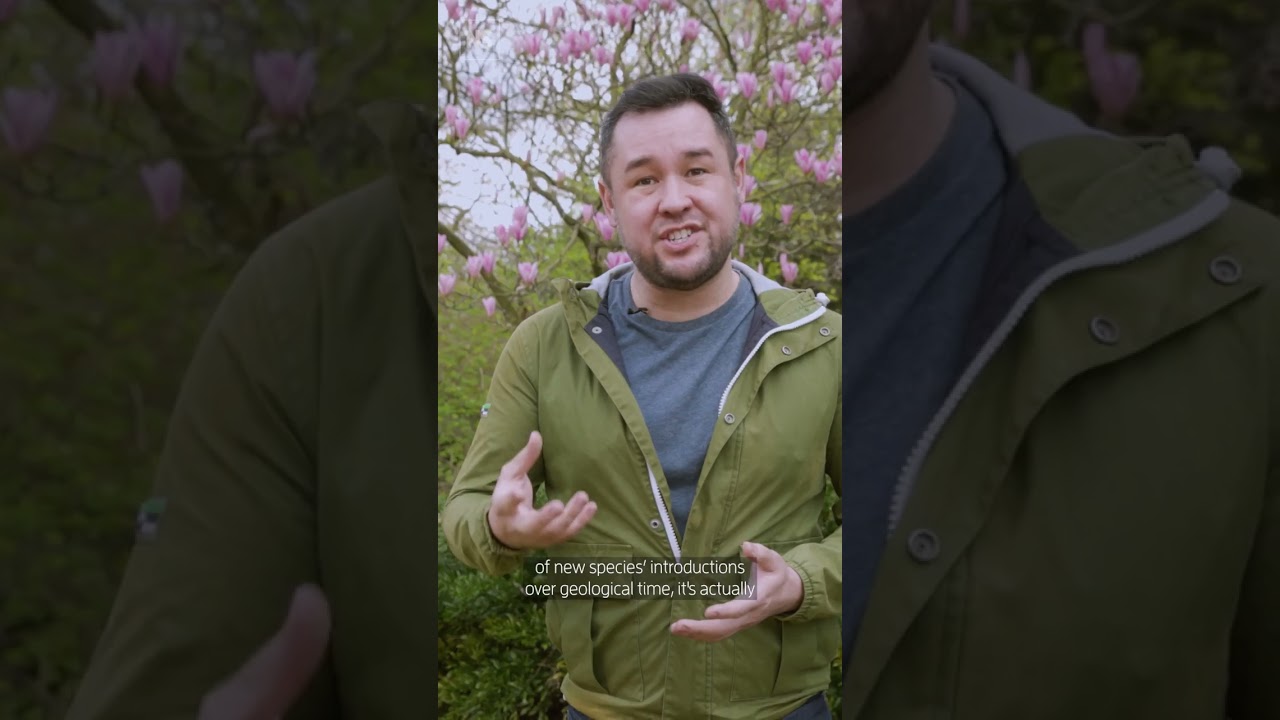
As prehistoric glaciations have repeatedly wiped out much of UK flora, many plants seen today as invasive “non-natives” introduced by humans, such as the common rhododendron, grew here naturally in the relatively recent geological past. Conversely, many of our most cherished “native” plants, such as cornflowers, only arrived after being introduced by humans in the past few thousand years.
The best strategy for gardeners wanting to support pollinating insects in gardens is to plant a mix of flowering plants from different parts of the world, because although “native” plants were more frequently visited at the beginning of the growing season, “exotics” remain in flower far later in the season, providing vital support for pollinators.
Following the “native equals universally superior” ideology, according to this study, would be worse for pollinators.
Subscribe ➤ https://bit.ly/NSYTSUBS
Get more from New Scientist:
Official website: https://bit.ly/NSYTHP
Facebook: https://bit.ly/NSYTFB
Twitter: https://bit.ly/NSYTTW
Instagram: https://bit.ly/NSYTINSTA
LinkedIn: https://bit.ly/NSYTLIN
About New Scientist:
New Scientist was founded in 1956 for “all those interested in scientific discovery and its social consequences”. Today our website, videos, newsletters, app, podcast and print magazine cover the world’s most important, exciting and entertaining science news as well as asking the big-picture questions about life, the universe, and what it means to be human.
New Scientist
https://www.newscientist.com/