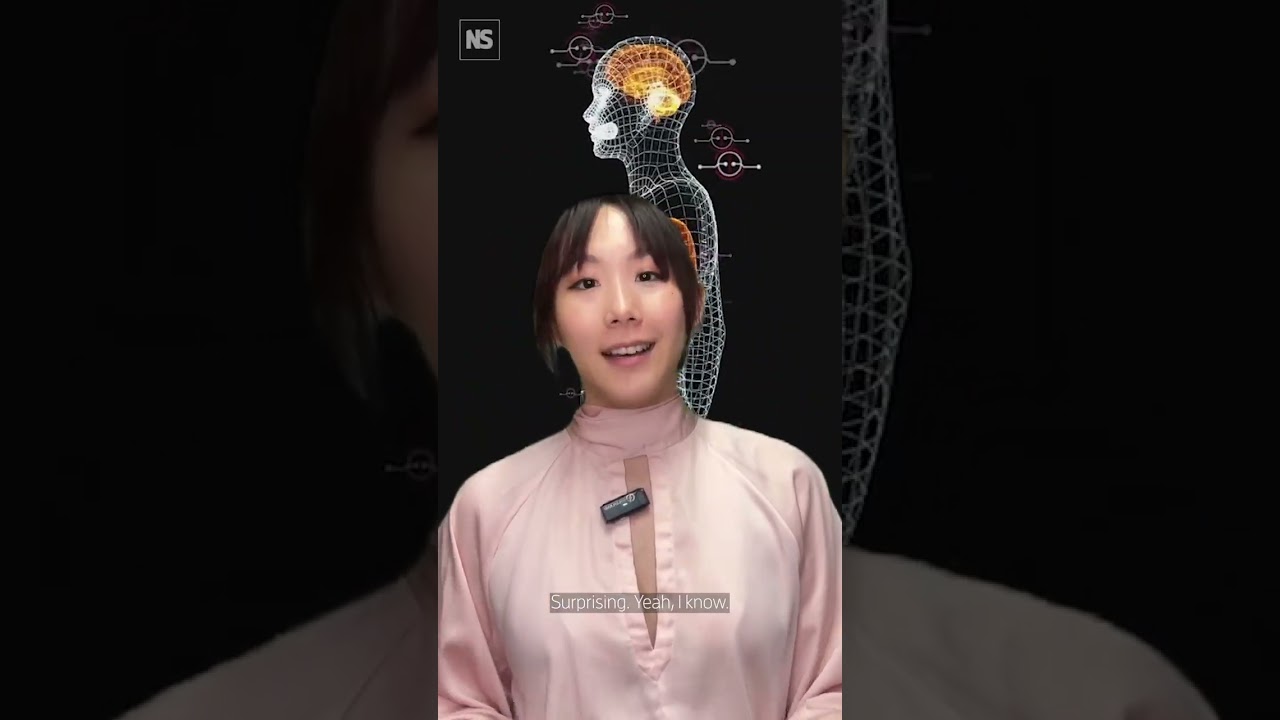
From brain implants to pacemakers, millions of people worldwide have devices of all kinds inside of them to help repair their damaged or failing bodies. However, rigid, artificial hardware just doesn’t sit well with the soft and squishy human body; eventually, the immune system turns against these foreign materials.
Now, however, a new type of electronics is being developed in labs around the world that might just change all this. The vision is for implants made from materials that bend, flow and even grow alongside our nerves and muscles, helping them to sit more harmoniously inside us. Some are built from soft, tissue-like materials. Others go further and blend living cells with circuitry. Together, they are forging a new class of “living electronics” that aim to not only last much longer, but also to one day help rebuild the body’s lost connections, helping everything from paralysis to hearing and vision loss.
Subscribe ➤ https://bit.ly/NSYTSUBS
Get more from New Scientist:
Official website: https://bit.ly/NSYTHP
Facebook: https://bit.ly/NSYTFB
Twitter: https://bit.ly/NSYTTW
Instagram: https://bit.ly/NSYTINSTA
LinkedIn: https://bit.ly/NSYTLIN
About New Scientist:
New Scientist was founded in 1956 for “all those interested in scientific discovery and its social consequences”. Today our website, videos, newsletters, app, podcast and print magazine cover the world’s most important, exciting and entertaining science news as well as asking the big-picture questions about life, the universe, and what it means to be human.
New Scientist